Designing a home that feels truly complete requires more than choosing the right paint color, furniture layout, or lighting plan. The most memorable spaces are the ones that feel connected, balanced, and intentional from every angle. That connection does not stop at the front door. In fact, one of the most important and often overlooked aspects of interior design is how the outdoor landscape works in harmony with the interior.
We recently collaborated with SERHANT. Real Estate Agent and Interior Designer Melissa Zimmerman and had an awesome conversation geeking out on why considering the landscape as part of the overall design process is essential for creating homes that feel seamless, elevated, and timeless.
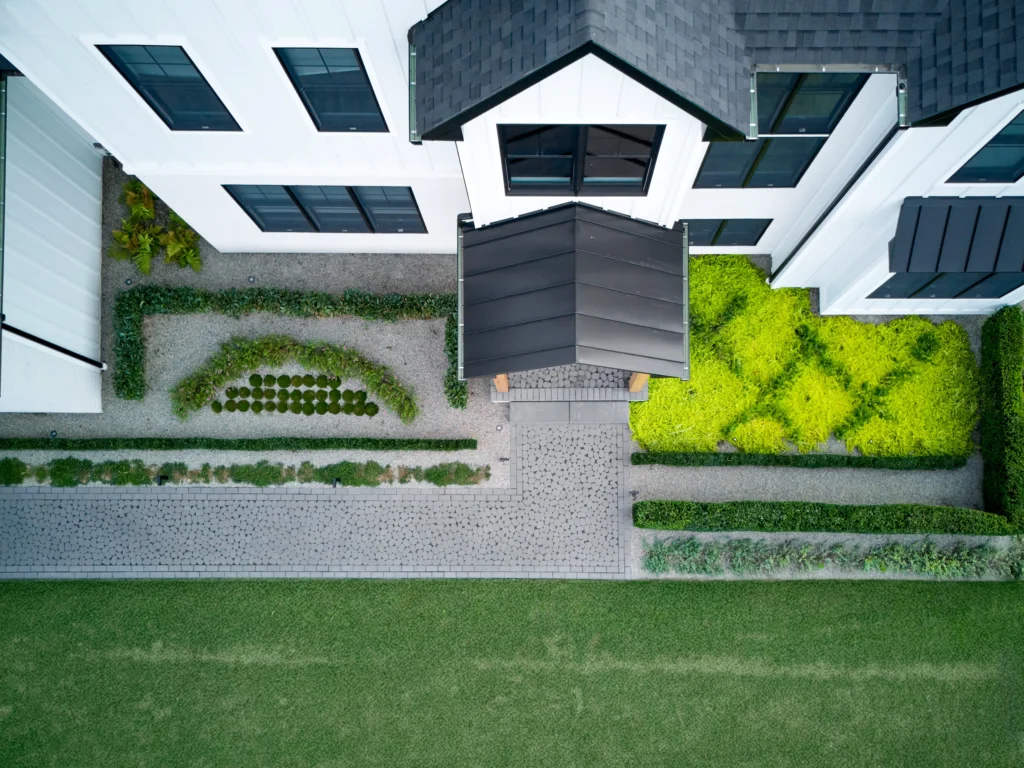
The Home Is One Continuous Experience
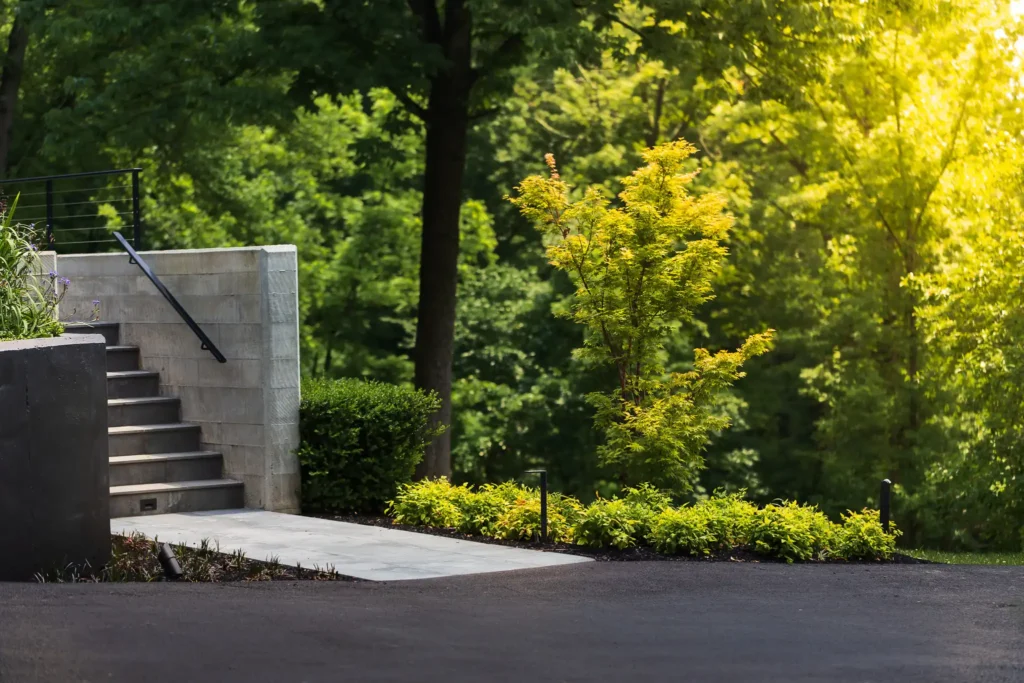
Interior design is not limited to what happens inside four walls. The way a home feels is shaped by the entire environment around it. When you enter a home, your experience begins with the approach, the driveway, the entry landscaping, and the view from the front windows. “Realtors refer to this as “curb appeal” and done well, it can be the reason a buyer is willing to take a look inside,” according to Melissa.
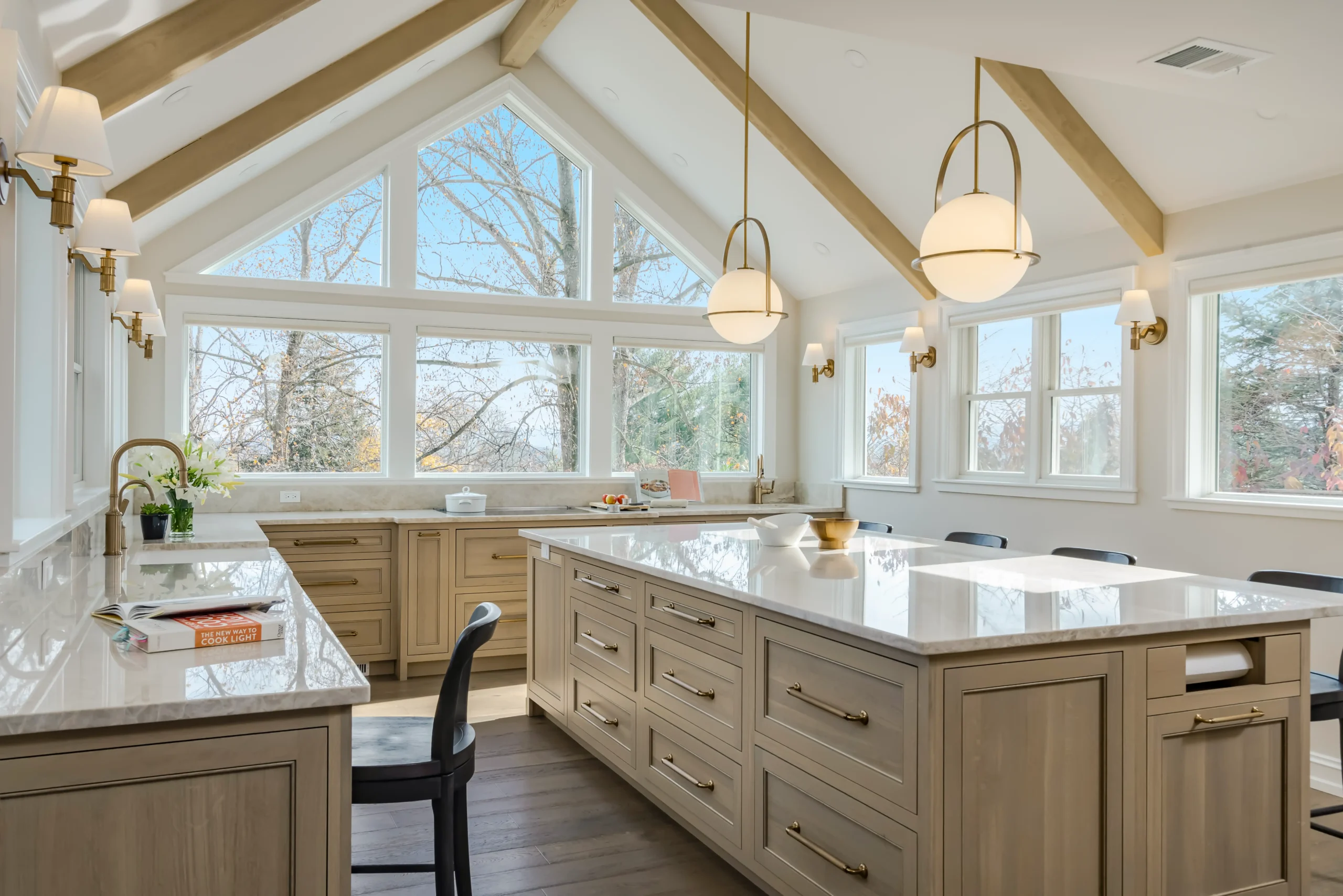
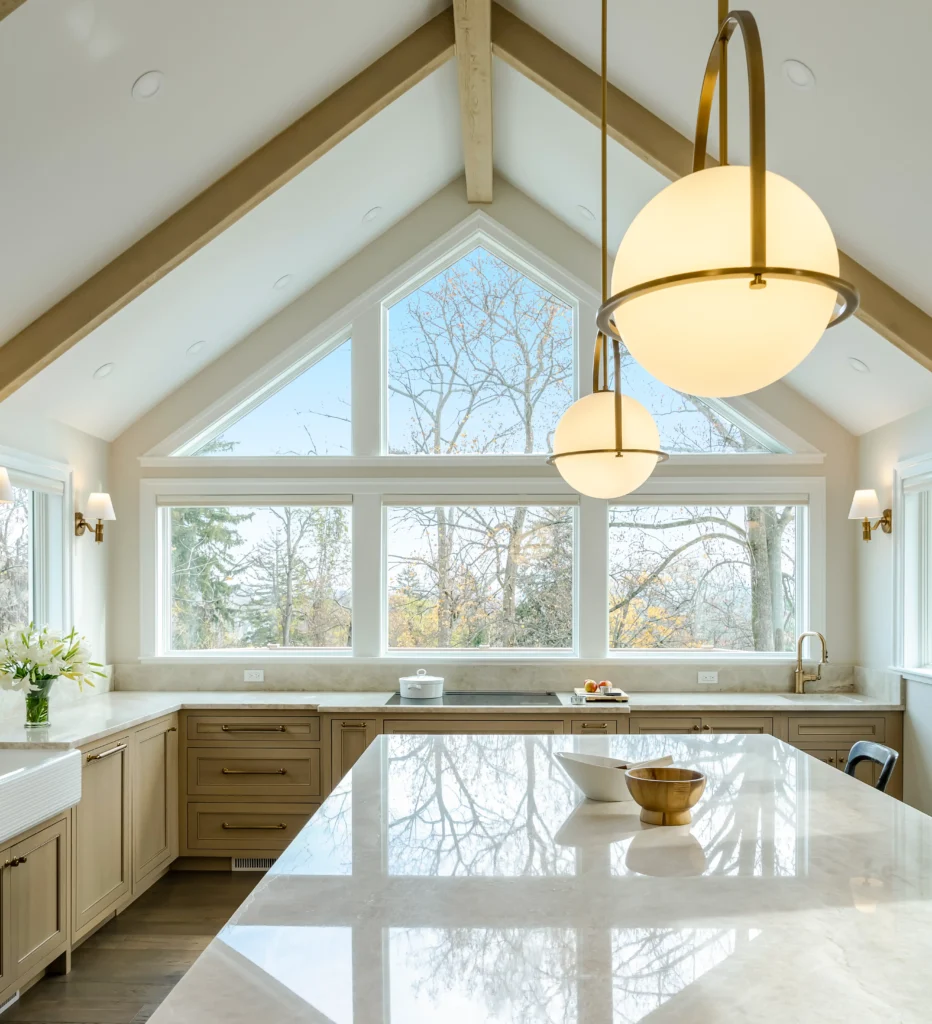
Similarly, when you relax in a living room, cook in the kitchen, or wake up in a bedroom, the outdoor scenery becomes part of the interior atmosphere. Windows frame the landscape like artwork, and outdoor spaces influence the mood, color palette, and sense of openness within the home.
When interior and exterior design are planned together, the home becomes one cohesive experience rather than two separate projects.
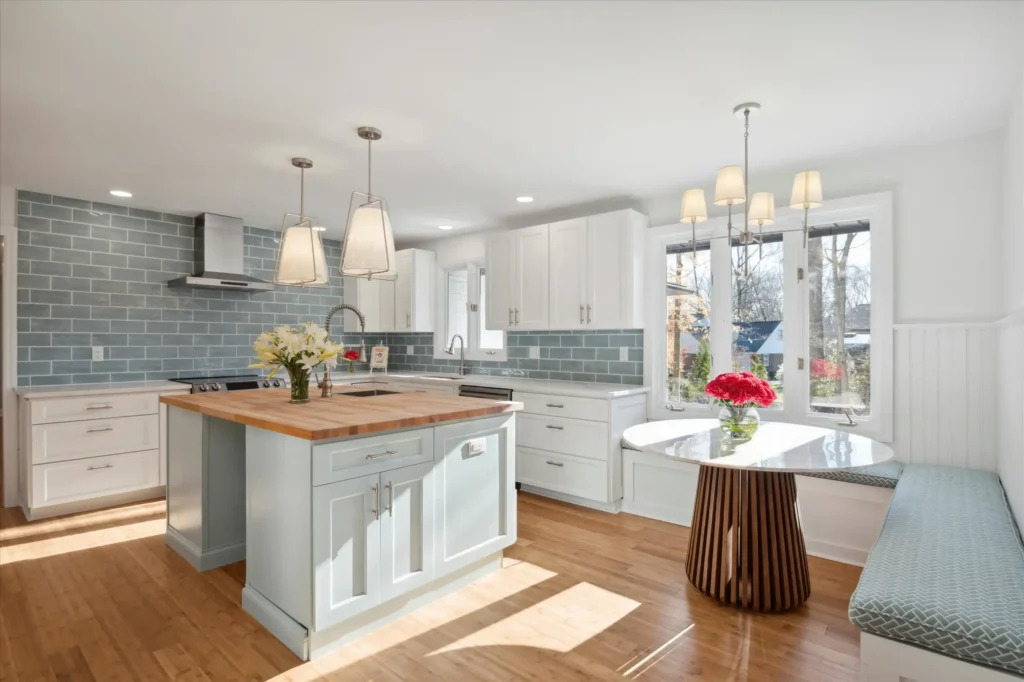
Why Landscape Design Matters in Interior Design
From an interior design perspective, the outdoor environment plays a major role in how interior spaces are perceived. Landscape design impacts:
-Natural light and how it enters the home
-Privacy and sightlines from key rooms
-Views that serve as focal points
-The overall style and architectural character
-The feeling of flow between indoor and outdoor living areas
A thoughtfully designed landscape enhances the interior by extending its style outward, creating a natural continuation rather than an abrupt transition. Melissa points out, “Psychologically, it also adds square footage to the living space, increasing the value of the home.”
Creating a Seamless Connection Between Indoors and Outdoors
One of the most effective ways to elevate a home is to design the interior and landscape to complement one another. Here are several ways to create that connection:
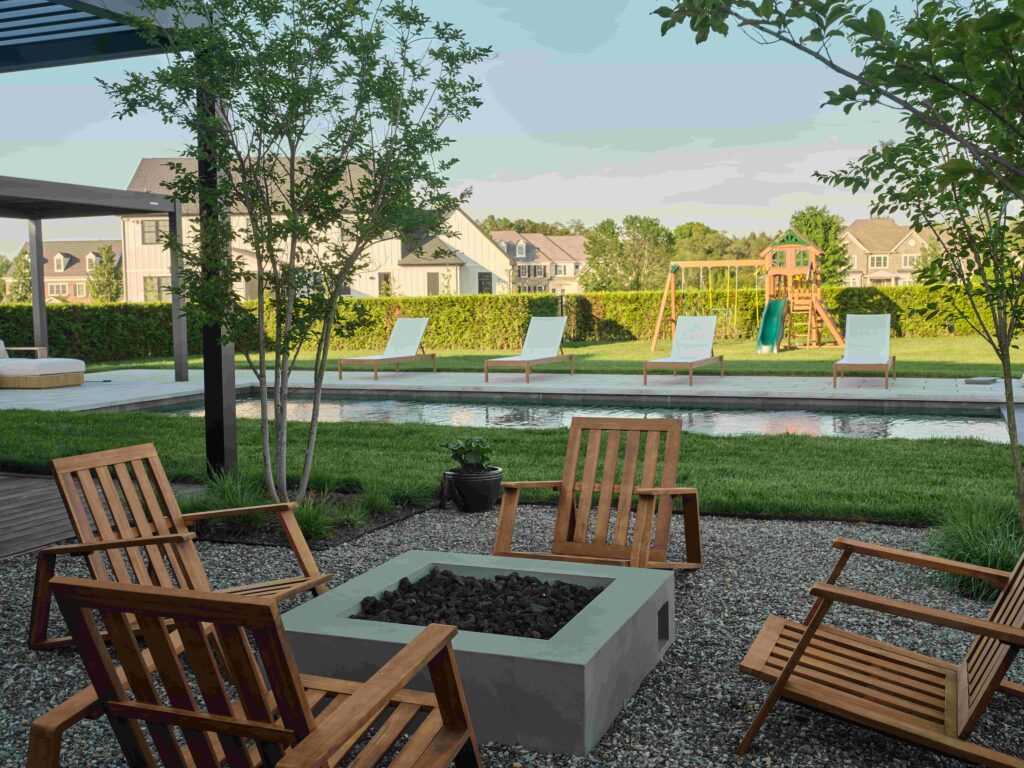
1. Use the Landscape as a Design Element
Interior designers often think about what you see from inside the home. A well placed tree, garden bed, or outdoor seating area can become a focal point through a window. “It’s one reason we avoid putting high-backed sofas in front of living room windows. When the view is beautiful, people want to see it.”
Instead of treating outdoor planting as separate decoration, consider it part of the interior design composition. A window view can be as important as a piece of art on the wall.
2. Align Styles and Materials
Consistency between indoor and outdoor materials creates visual harmony, and helps to inform the overall design of both spaces.
For example:
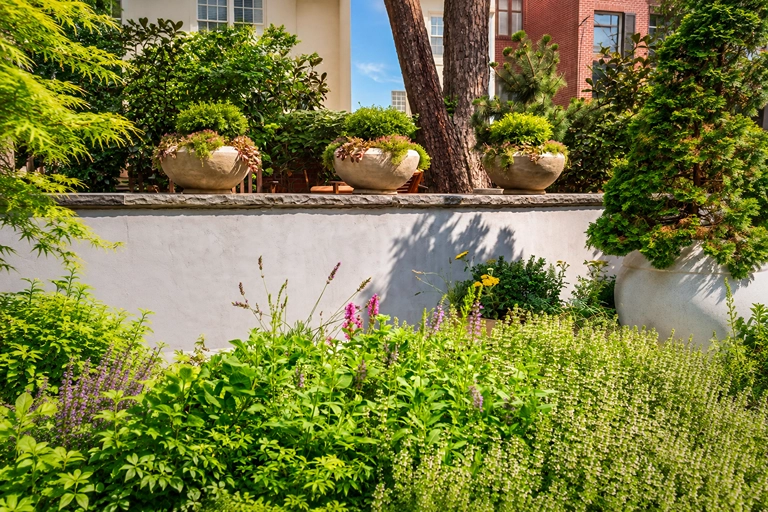
-Warm wood tones inside can pair beautifully with natural stone pathways outside
-Modern interiors work well with clean lined landscape design and structured planting
-Mediterranean inspired homes benefit from lush greenery, terracotta tones, and organic textures
When materials and style choices echo each other, the home feels unified.
3. Extend the Interior Color Palette Outdoors
Color is one of the easiest ways to create flow. Interior palettes can be reinforced outside through plant selections, outdoor furnishings, and hardscape finishes.
Soft neutral interiors may pair best with calming green foliage and white flowering plants. Bold interiors can be complemented by dramatic landscaping with deep textures and rich seasonal color.
The goal is not to match exactly, but to create a natural continuation. “For example, the interior may be a calm, quiet palette and the exterior incorporates more color and texture. There’s still an opportunity to blend the two when you have the expert eyes of both interior and exterior designers.”
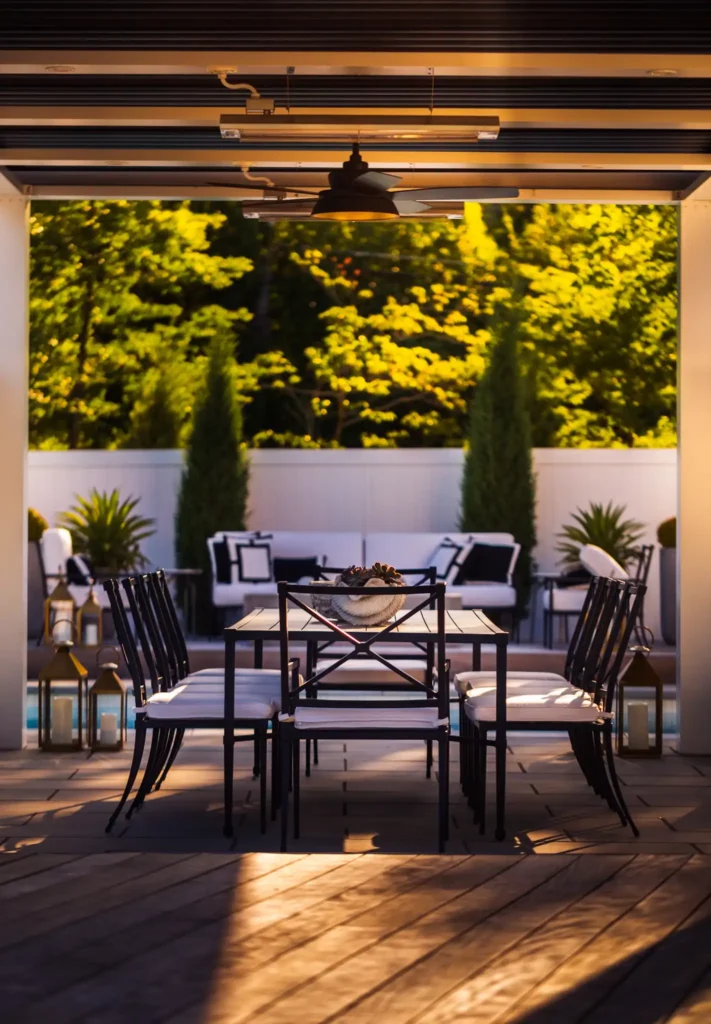
4. Design Outdoor Rooms Like Interior Spaces
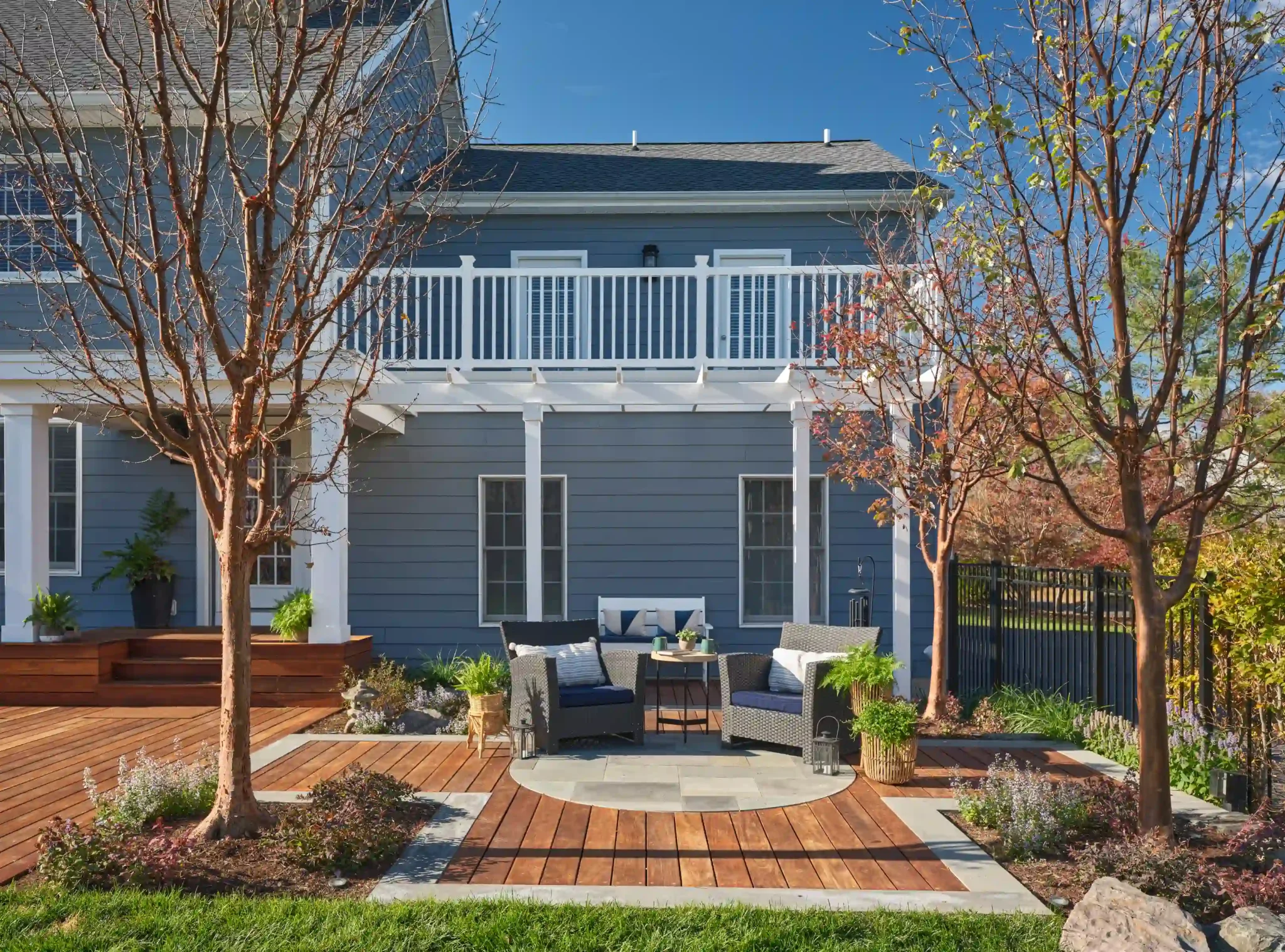
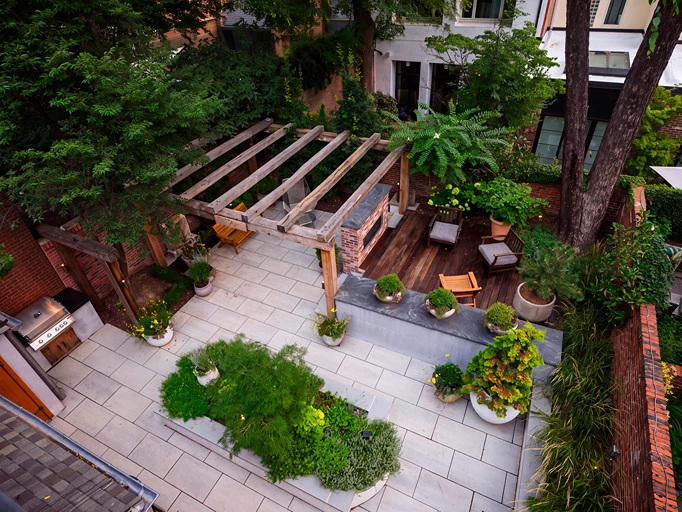
Outdoor living areas should feel like an extension of the home. Patios, courtyards, and gardens can be designed with the same intention as interior rooms.
Think about:
-Defined seating zones
-Comfortable circulation paths
-Lighting for ambiance and safety
-Planting that adds softness and privacy
When outdoor spaces are treated as livable rooms, the transition feels effortless.
5. Consider Function and Lifestyle
Melissa Zimmerman often emphasizes that great design supports how people actually live. The same is true outdoors.
A family may want open lawn space for play. A busy professional may prefer low maintenance planting with year round structure. Entertainers may benefit from outdoor dining and kitchen areas that connect directly to the interior.
When lifestyle needs guide both interior and exterior planning, the home becomes more functional and enjoyable. “I always ask my clients how they intend to use the space and how they want to feel in it. Function and lifestyle play a key part.”
The Real Estate Value of Cohesive Design
From a real estate perspective, homes that feel thoughtfully designed inside and out stand out immediately. Buyers respond emotionally to spaces that feel complete, welcoming, and move in ready.
A cohesive landscape and interior design approach increases:
-Curb appeal and first impressions
-Perceived square footage through outdoor living spaces
-Market value and buyer desirability
-Overall sense of luxury and care
The exterior is the first thing buyers see, but it also becomes part of what they remember.
Collaboration Creates the Best Results
The most successful projects happen when interior designers and landscape designers collaborate early. When both teams understand the vision from the start, they can align key elements such as:
-Architectural style
-Material selections
-Indoor/outdoor transitions
-Lighting design
-Planting and views from major interior spaces
PLANT Design Group and Melissa Zimmerman share the belief that design works best when it is holistic. A home should not feel like separate parts pieced together over time. It should feel intentional, layered, and connected.
Bringing It All Together
Interior design does not end at the back door, and landscape design should not begin as an afterthought. When the outside environment is considered part of the interior design story, the result is a home that feels balanced, inviting, and seamlessly integrated.
Whether you are preparing a home for sale, renovating a forever home, or building something new, designing the interior and landscape together creates a stronger, more elevated outcome.
With the combined expertise of Melissa Zimmerman and PLANT Design Group, homeowners can create spaces where indoor comfort and outdoor beauty flow naturally together, enhancing not only the design but also the way the home is experienced every day.