By Sage
The Simple Pleasure of a Tea Garden
There is a special kind of pleasure in growing a tea garden. It is not only about the plants themselves—though they are lovely enough—but about the rituals they invite. Stepping outside in the morning, gathering a few fragrant leaves or flowers, and crafting something soothing from the garden’s own abundance becomes a daily joy.
A tea garden is deeply personal. It can be filled with herbs, flowers, and shrubs that offer flavor, fragrance, and comfort from spring well into fall. Over time, it becomes more than a garden—it becomes a gentle rhythm woven into everyday life.
Designing in “Neighborhoods”
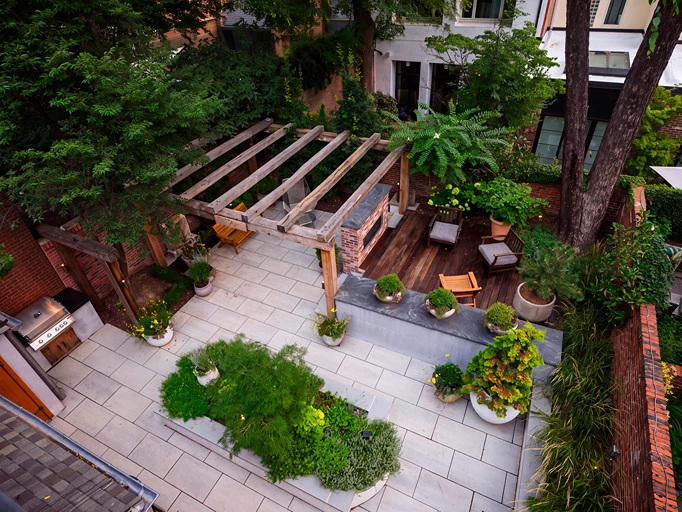
The easiest way to plan a tea garden is to think of it not as one single bed, but as a collection of small neighborhoods. Each plant has its own preferences—some thrive in hot, dry sun, while others prefer consistent moisture or softer light.
By grouping plants according to their needs, the garden begins to feel intuitive and balanced, making it easier to maintain and more harmonious in its growth.
A Charming Mix of Annuals
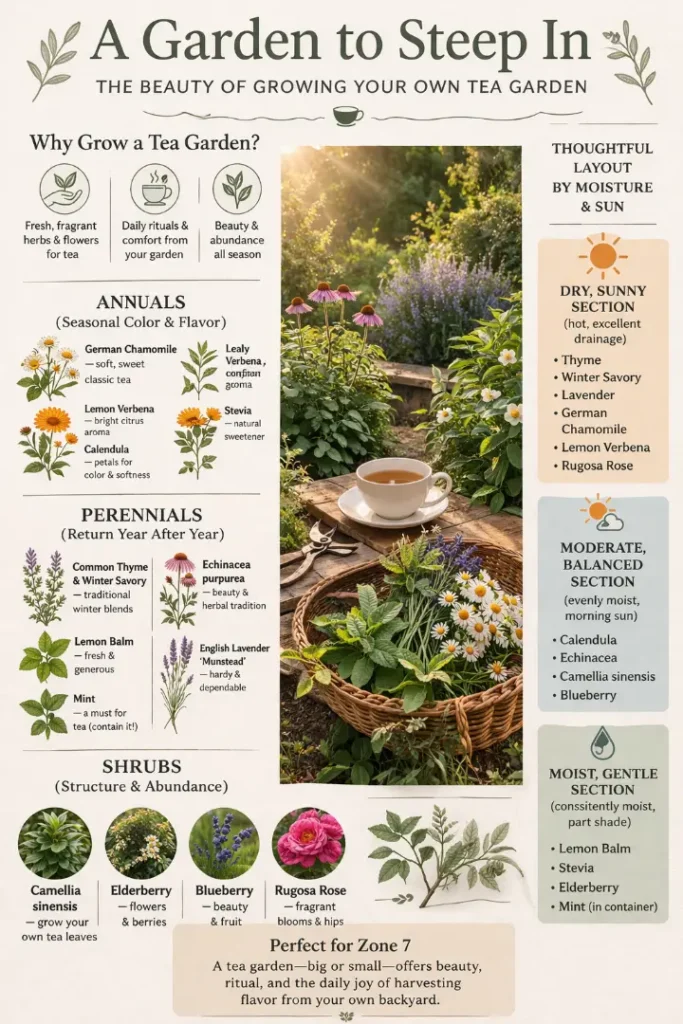
Annuals bring quick beauty and variety to the tea garden. A thoughtful mix might include:
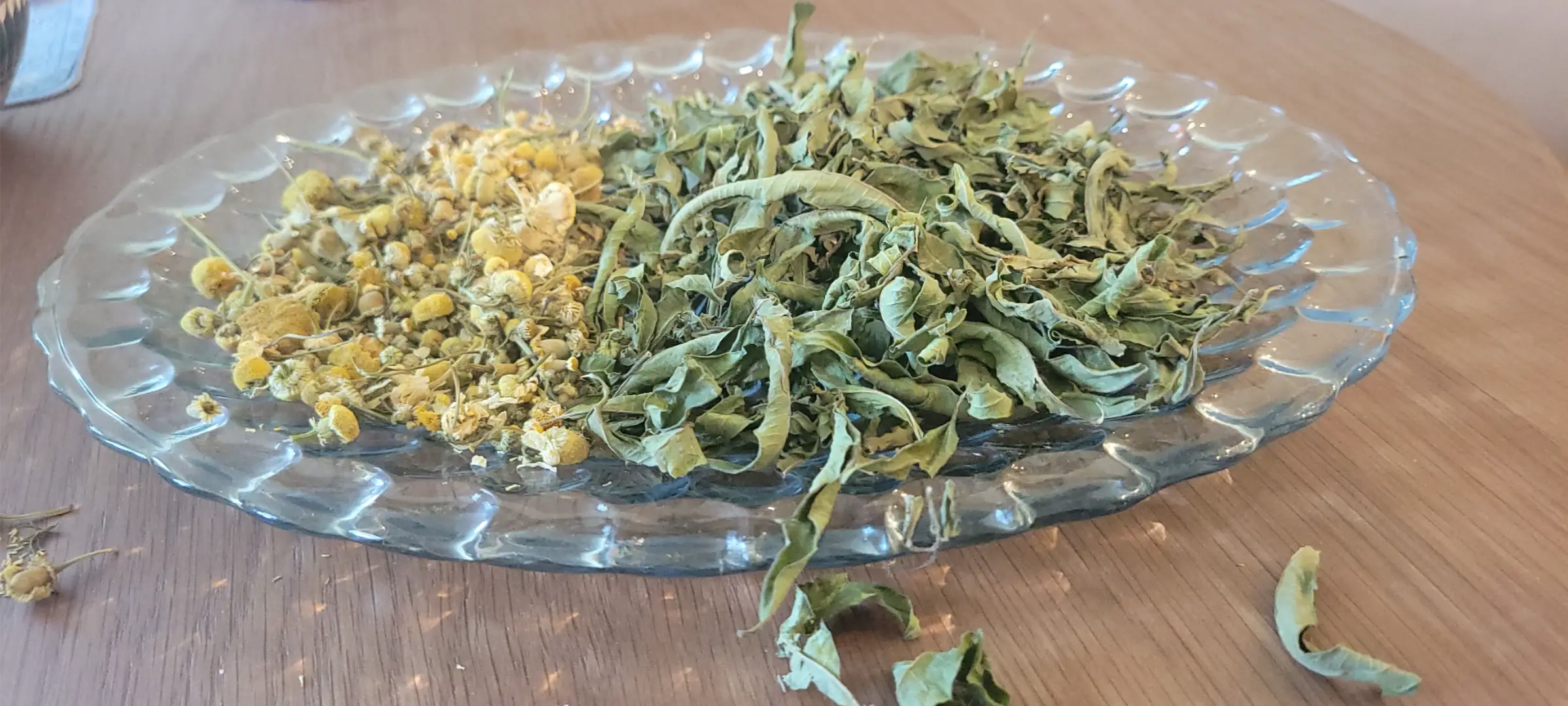
- German Chamomile – The classic tea chamomile, with cheerful flowers and a soft sweetness
- Lemon Verbena – Bright, citrusy fragrance that dries beautifully for winter use
- Calendula – Adds color and gentle floral notes to blends
- Stevia – A natural sweetener, useful to have on hand
Together, these plants create a lively and aromatic foundation for seasonal tea blends.
Perennials for Lasting Comfort
Perennials give the tea garden its sense of permanence and reliability year after year:
- Common Thyme & Winter Savory – Excellent for traditional, warming blends
- Lemon Balm – Generous, fresh, and endlessly harvestable
- Mint – Essential for tea, best grown in containers to prevent spreading
- Echinacea purpurea – Both beautiful and rooted in herbal tradition
- English Lavender (‘Munstead’) – A dependable and fragrant choice for Zone 7
These plants return each season, deepening the garden’s character and usefulness.
Shrubs That Anchor the Garden
To give the tea garden a sense of fullness and permanence, shrubs play an important role:
- Camellia sinensis – The true tea plant, offering the rare joy of growing your own white, green, or black tea
- Elderberry – Provides flowers, berries, and a touch of old-fashioned charm
- Blueberry – Beautiful and productive, adding fruit to the garden
- Rugosa Rose – Fragrant blooms followed by abundant, tea-worthy hips
These elements bring structure, abundance, and a sense of rootedness to the space.
Creating a Thoughtful Layout
A successful tea garden follows the natural patterns of sun and moisture:
Dry, Sunny Section
Place heat-loving plants here, where soil drains quickly and sunlight is abundant:
- Thyme
- Winter savory
- Lavender
- German chamomile
- Lemon verbena
- Rugosa rose
Moderate, Balanced Section
For plants that prefer evenly moist soil and gentler light:
- Calendula
- Echinacea
- Camellia sinensis
- Blueberry
Morning sun with some afternoon protection works especially well here.
Moist, Gentle Section
Ideal for plants that prefer consistent moisture and softer conditions:
- Lemon balm
- Stevia
- Elderberry
- Mint (in a contained space)
This area can tolerate partial shade and benefits from soil that doesn’t dry too quickly.
A Garden That Gives Back
A tea garden in Zone 7 does not need to be large to be deeply rewarding. Even a modest space can provide chamomile for evening tea, lemon balm for summer freshness, mint for brightness, lavender for fragrance, and the quiet satisfaction of harvesting your own tea leaves.
What makes it work is not perfection, but thoughtful placement—sun for those who crave it, moisture for those who need it, and a gentle middle ground for everything in between.
More Than a Garden
That is the true beauty of a tea garden. It becomes more than a collection of useful plants. It becomes a place of comfort, small rituals, and daily pleasures—a garden that gives back in the loveliest ways.