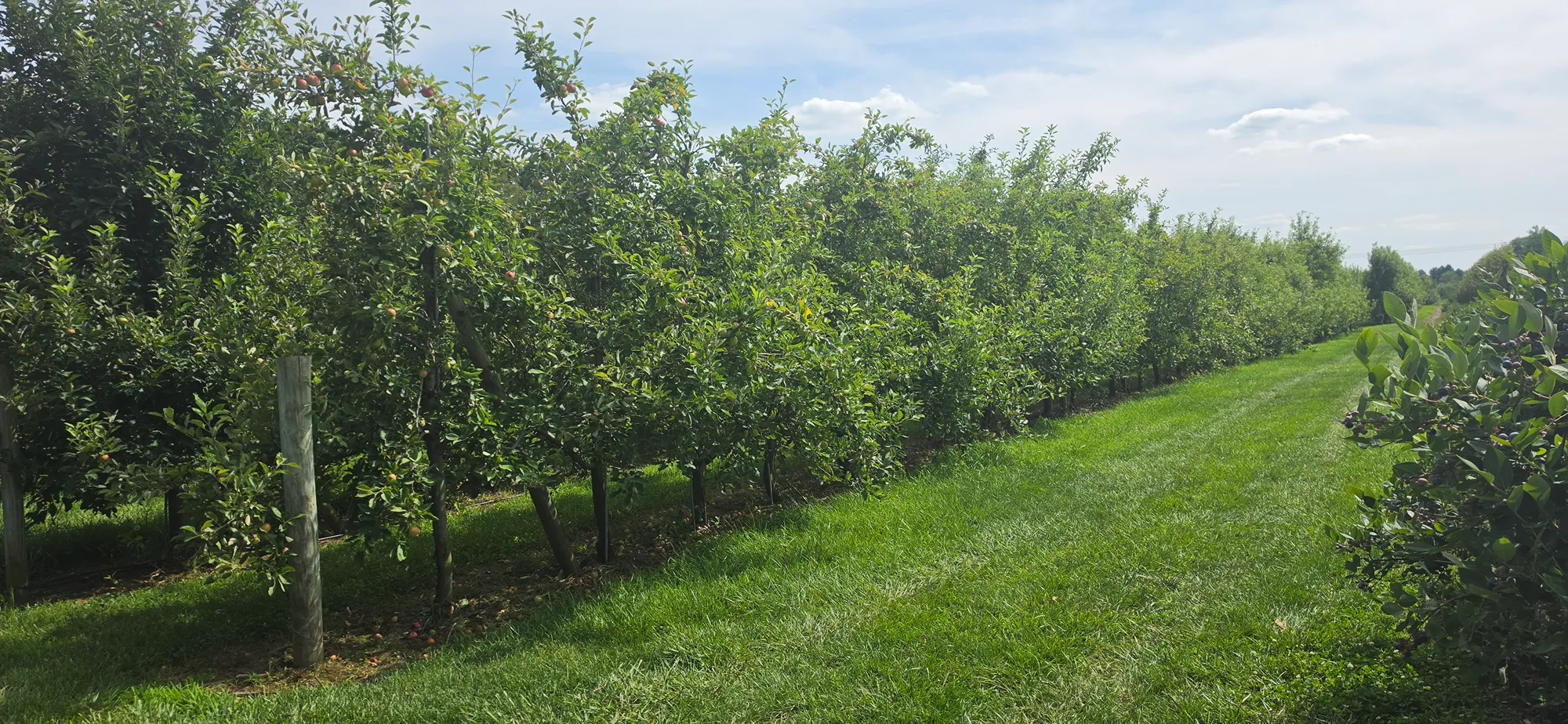
Sometimes the most beautiful garden lesson is the one that asks for a little honesty.
For a couple of years, my herb garden sat in what seemed like the perfect place: a beautiful wooded setting with a lush green backdrop and that soft, natural look every gardener loves. It was easy on the eyes and full of mountain charm. But underneath all of that beauty, the garden was struggling. Weedy roots kept pushing up from below, vines found their way in, and no matter how lovely the space looked, it never gave back the way a productive herb garden should.
Then the puff mushrooms appeared.
That was the moment everything clicked. That beautiful woodland edge was not the right place for a garden meant to feed, nourish, and produce. It invited too much competition from below, too much moisture, and too much hidden interference. And with that, one simple truth became clear: I wanted it to flourish more than I wanted the eye candy view.
So, the herb garden was moved.
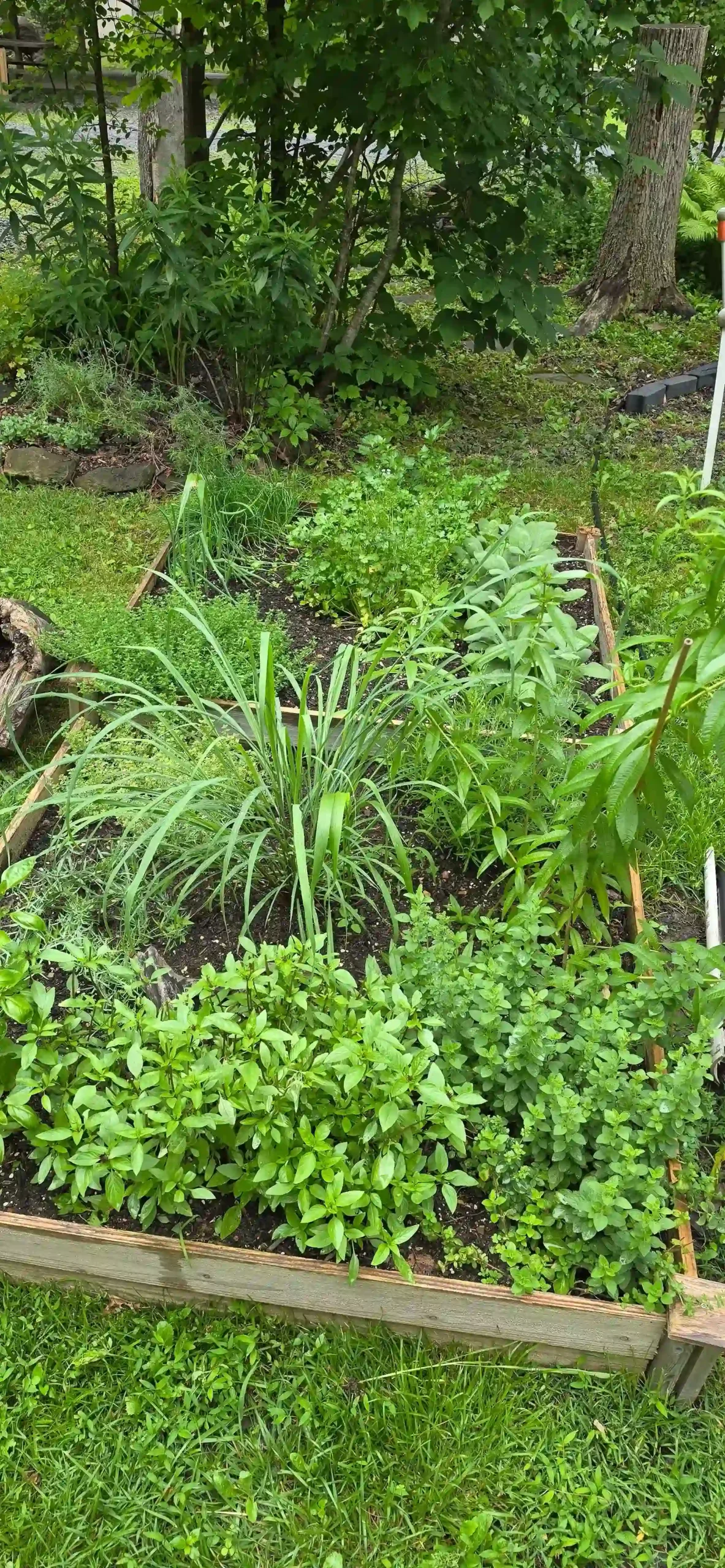
The new location was not nearly as picturesque. It did not have the same dreamy wooded backdrop. But it offered something much more valuable: better growing conditions and closer proximity to pollinator-rich mini gardens that had been strategically planted to draw beneficial activity into the space. A custom soil blend went in too, mixed by hand using organic topsoil, organic potting soil for lightness and air, and organic compost for nutrients. That change alone made a remarkable difference.
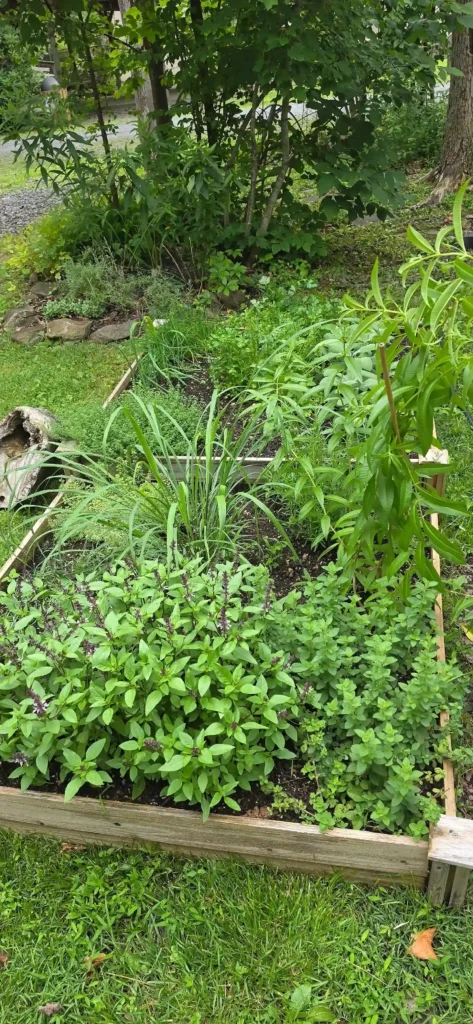
In less than six weeks, the harvest has already been better than it was in three years in the old location.
There is something ready to pick almost every week. The herbs are fuller, stronger, and more generous than ever, producing so much that there is enough to share with neighbors. That is the kind of garden every grower hopes for, not one that simply looks good in the background, but one that gives and keeps giving.
The best part is that this garden sits in a heavily deer-infested summer area, and the deer simply walk right past it.
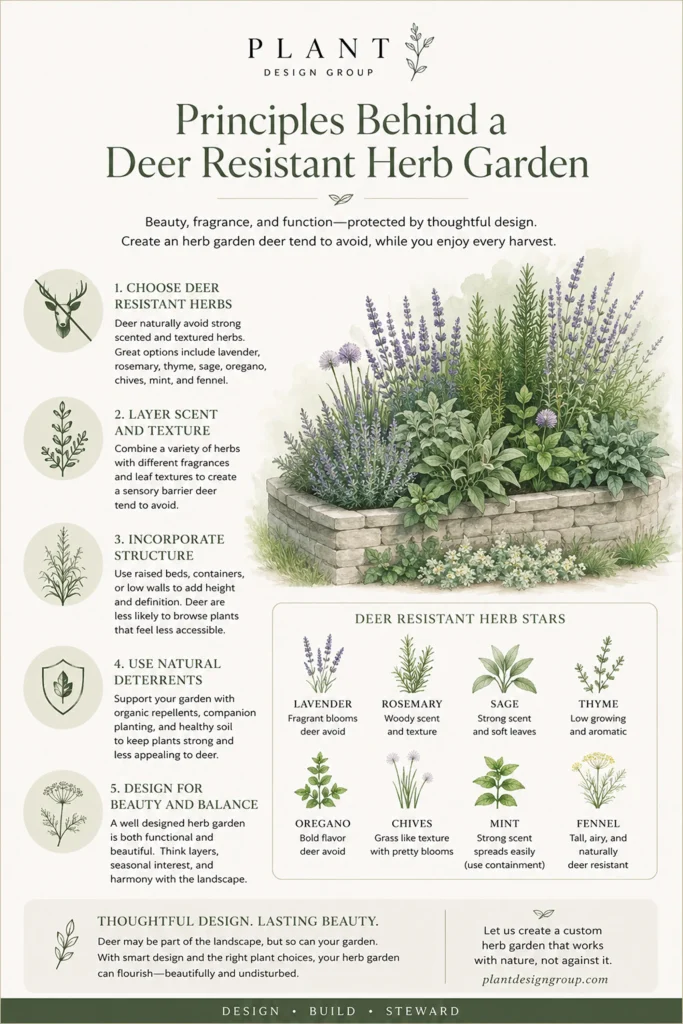
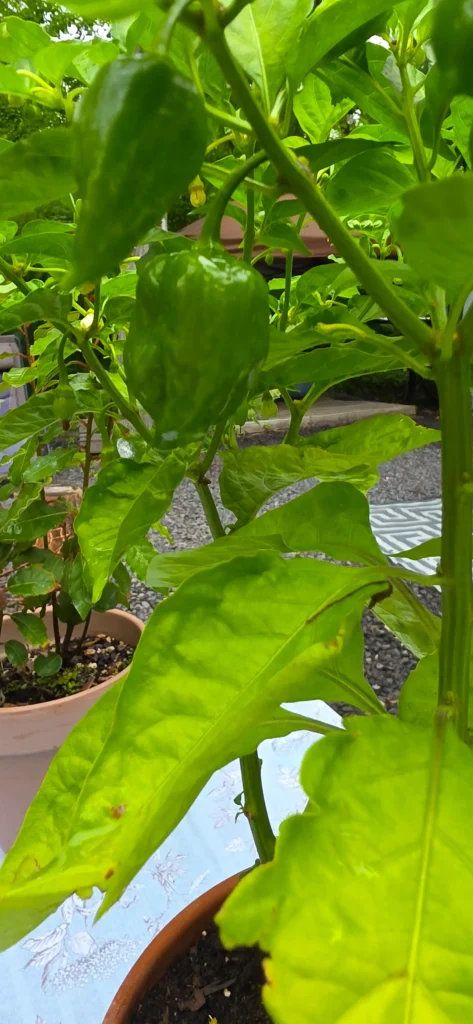
Neighbors are in awe when they notice how all our herbs & flowers are left alone, but the answer is surprisingly simple: many herbs & flowers are naturally unappealing to deer. Fragrance, strong oils, and certain textures make them far less tempting than the average garden planting. In this mountain garden, the deer have not touched the lemongrass, lemon verbena, thyme, lemon thyme, sage, oregano, rosemary, basil, cinnamon basil, cilantro, parsley, or green onions. Even the sage, already growing into beautiful shrubby mounds, has been left alone.
One of the easiest summer additions has been the green onions. Organic green onions were bought, the tops were eaten, and the bottoms were planted for a continuous harvest all summer long. It is a simple little garden trick, but one that feels especially rewarding.
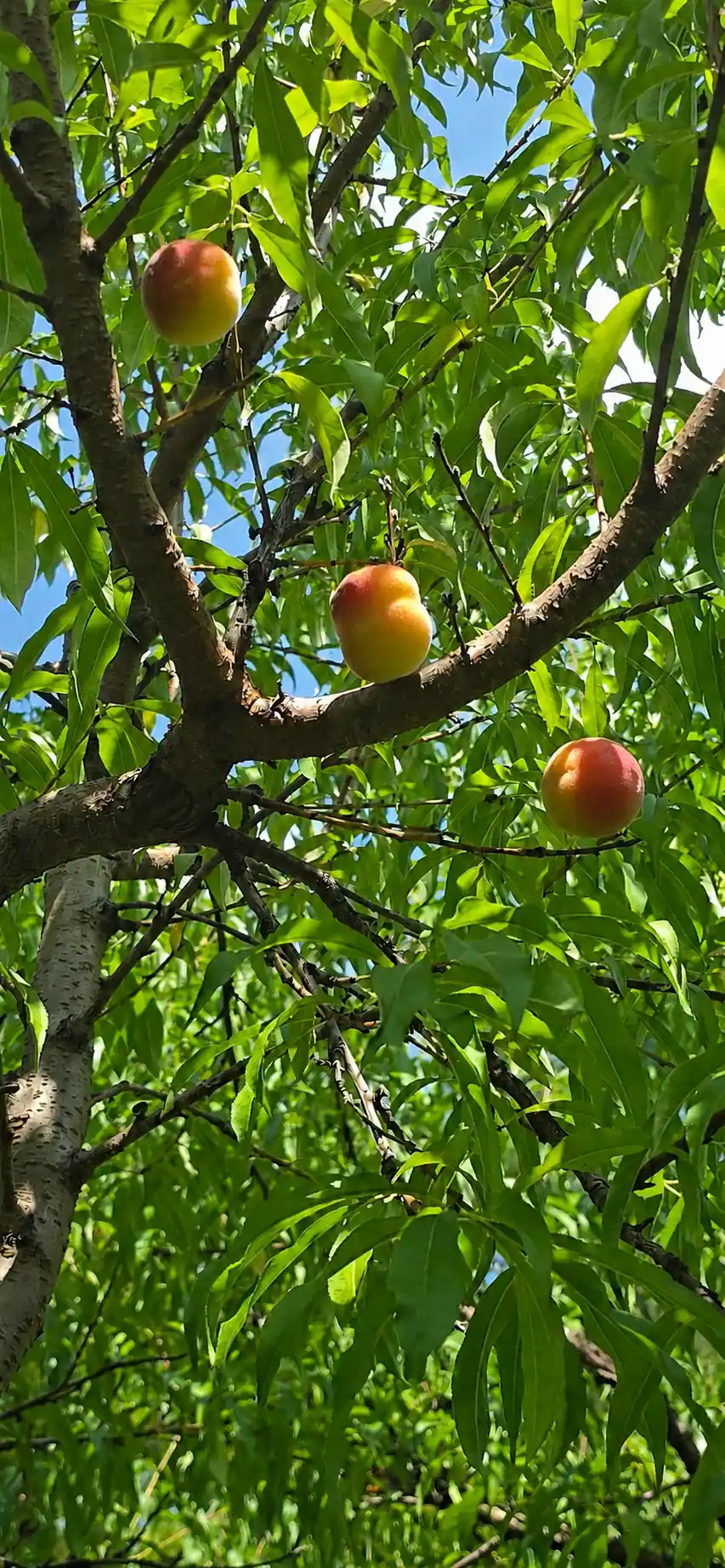
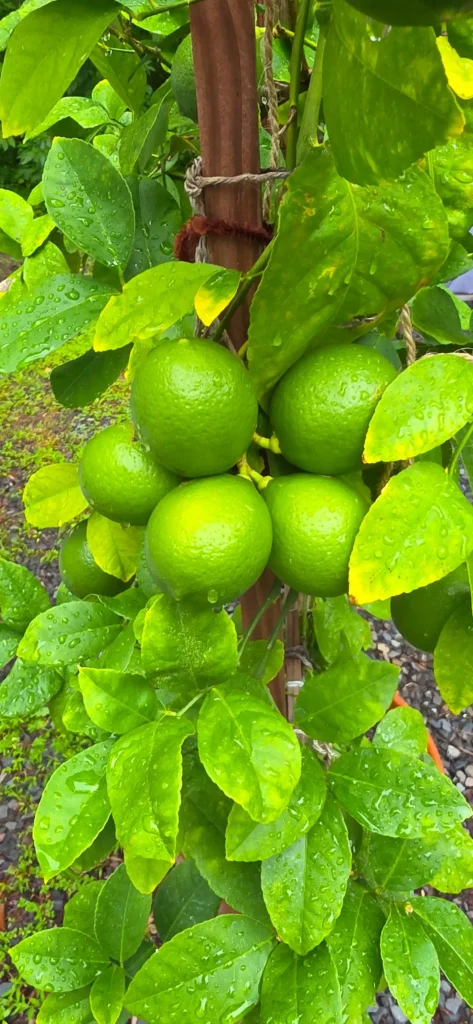
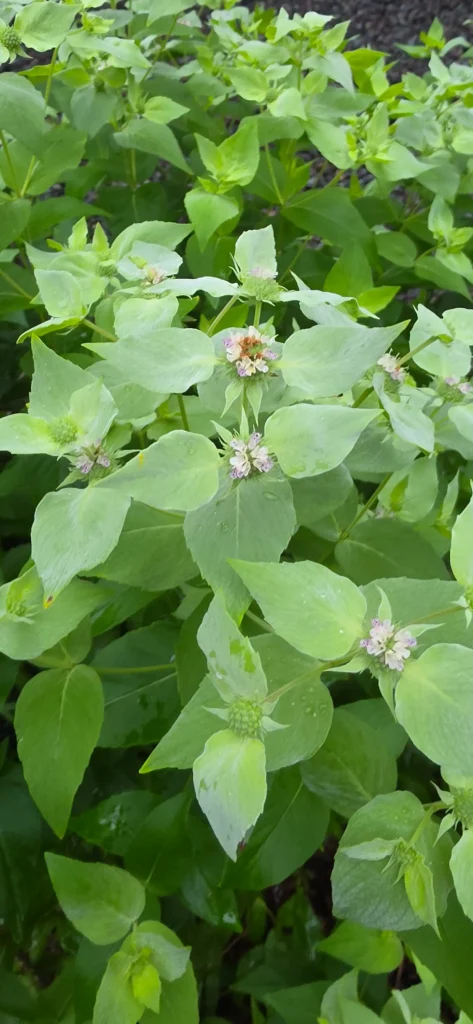
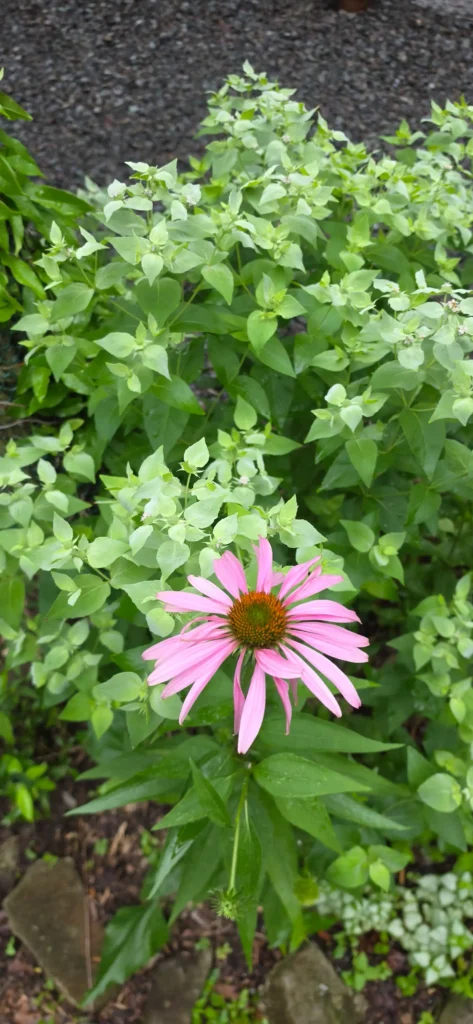
There is also a beautiful four-year-old bay leaf plant in a pot, a lemon tree, a banana tree and a small fig tree, which does not draw deer either. Nearby, on my property, other woodsy-looking gardens are planted with native coneflower, lavender, and mountain mint to invite pollinators and soften the landscape. A separate spearmint garden is thriving as well.
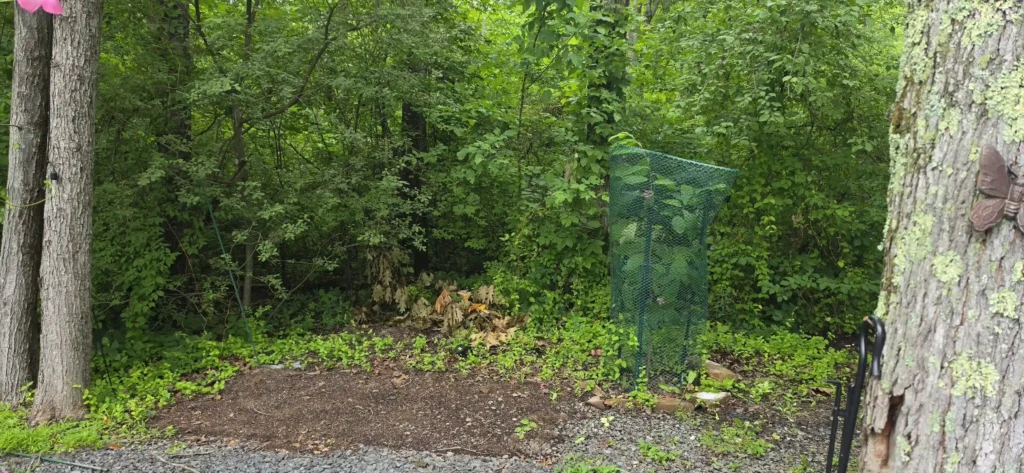
Also growing on this small spot are three paw paw trees, selected because they have been propagated and cultivated for delicious fruit production. For now, they will be protected from the deer while they are still young, only until they are large and established enough to flourish among them. In time, they will hopefully become another beautiful and fruitful part of these blessed gardens.
This is often how real gardens evolve. They become more honest over time. They stop being about what looks prettiest from a distance and start becoming about what truly works. Sometimes the most productive garden is not the one framed by the best view. Sometimes it is the one placed with intention, supported by strategically chosen companion plants, and built on soil blended to help it thrive.
A mountain herb garden can still be beautiful without claiming the most eye-catching spot on the property. In fact, there is a quieter kind of beauty in a garden that is thriving; one that is clipped from often, shared with neighbors, buzzing with pollinators, and sprinkled with deer footprints just passing through. That kind of beauty runs deeper. It feeds the kitchen, the home, and the spirit all at once.
And perhaps that is the sweetest kind of garden lesson of all: when the right place is chosen, and the plants are given what they truly need, abundance has a way of speaking for itself. 🌿