
By Sage

Yes, you really can grow these here—and yes, you’ll actually use them.
One of my favorite garden myths to break is the idea that Asian cooking herbs are “too exotic” for Pennsylvania. They’re not. With the right setup, many of the herbs that give Thai, Vietnamese, and Indian food its bold, unforgettable flavor grow beautifully here.
Some thrive straight in the summer garden. Others prefer the flexibility of containers so they can dodge winter indoors. Every herb below is one I grow myself—and every single one earns its place in the kitchen.
Because growing herbs is great.
But growing herbs you actually cook with? That’s the goal 🌱
Ginger & Galangal
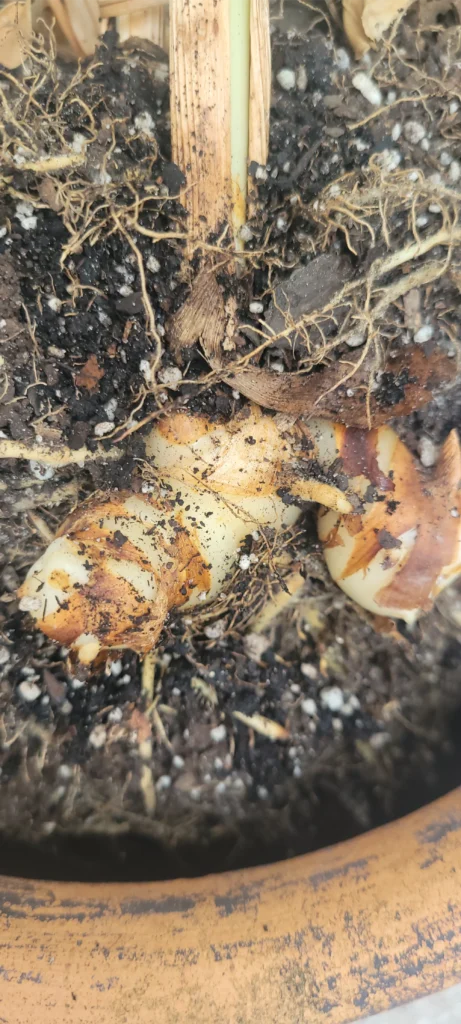
The backbone of so many iconic dishes
Ginger and galangal are tropical plants, so in Pennsylvania they do best in containers. They love summer heat and sunshine outdoors but need to come inside before the first frost.
When fall arrives, don’t be alarmed if the plants lose their leaves and look completely unimpressive. They’re just going dormant. Water lightly, leave them alone, and by late winter or early spring, new shoots will emerge.
These roots are essential in dishes like:
- Tom yum soup
- Tom kha
- Ginger congee
- Thai and Vietnamese curries
- Stir-fries and noodle soups
The real joy of growing them yourself is harvesting exactly what you need. Snap off a piece of root, cook dinner, and let the rest keep growing. Once you’ve used fresh ginger or galangal straight from the pot, the grocery store version feels… flat.
Curry Leaf Tree
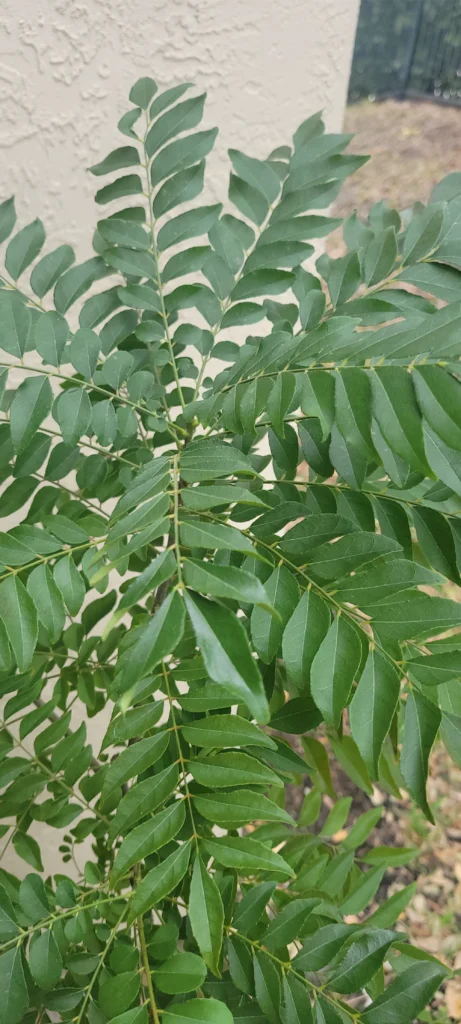
If you love Indian food, this one changes everything
The curry leaf tree is foundational in South Indian and Sri Lankan cooking. The leaves are briefly fried in hot oil at the start of cooking, releasing a citrusy, nutty aroma that defines the dish.
You’ll find curry leaves in:
- South Indian dals
- Sambar
- Vegetable curries
- Tempered lentil and bean dishes
Despite sounding exotic, curry leaf trees are surprisingly easy to grow in containers. They love sun, respond well to pruning, and handle regular harvesting beautifully. In Pennsylvania, bring them indoors before frost and they’ll overwinter just fine.
Important kitchen truth
Curry powder is not traditional Indian cooking. It was created during the British colonial period as a shelf-stable substitute. Traditional dishes rely on fresh curry leaves—not curry powder—to build flavor. Once you cook with fresh leaves, the difference is unmistakable.
Lemongrass
Bright, citrusy, and incredibly versatile
Lemongrass grows fast and happily as a warm-season annual in Pennsylvania. Plant it after the danger of frost, and by summer you’ll have thick, fragrant stalks ready for harvest.
Lemongrass shines in dishes like:
- Tom yum soup
- Thai red and green curries
- Vietnamese lemongrass chicken
- Soups, marinades, and broths
Harvest before frost and freeze or dry the stalks—you’ll be grateful for that stash all winter.
Basil (Thai Basil or Your Favorite Variety)
Summer abundance, straight from the garden
Basil thrives once planted after frost and rewards frequent harvesting. Keep pinching off flowers to encourage leaf growth—but don’t throw the flowers away. They’re edible, beautiful, and intensely aromatic.
Basil is essential in:
- Pad krapow
- Fried rice
- Noodle dishes
- Fresh spring rolls
Thai basil in particular brings a slightly spicy, anise-like note that makes dishes taste unmistakably Southeast Asian.
Scallions (Green Onions)
Small effort, huge payoff
Scallions might be the easiest thing you’ll ever grow. Start with organic grocery store scallions, plant the root ends, and they’ll regrow again and again.
They finish dishes like:
- Fried rice
- Congee
- Stir-fries
- Soups and noodle bowls
They can be grown outdoors, in containers, or even indoors in winter—meaning fresh scallions year-round with almost no effort.
Mint
Fresh, cooling, and best kept in check
Mint is vigorous and loves to spread, so containers are usually the smartest choice. That said, it’s incredibly rewarding and comes back stronger every year.
Mint is key in:
- Larb
- Fresh spring rolls
- Herb salads
- Cooling garnishes for spicy dishes
It adds brightness and balance, especially alongside chilies and rich broths.
Bringing the Garden to the Kitchen
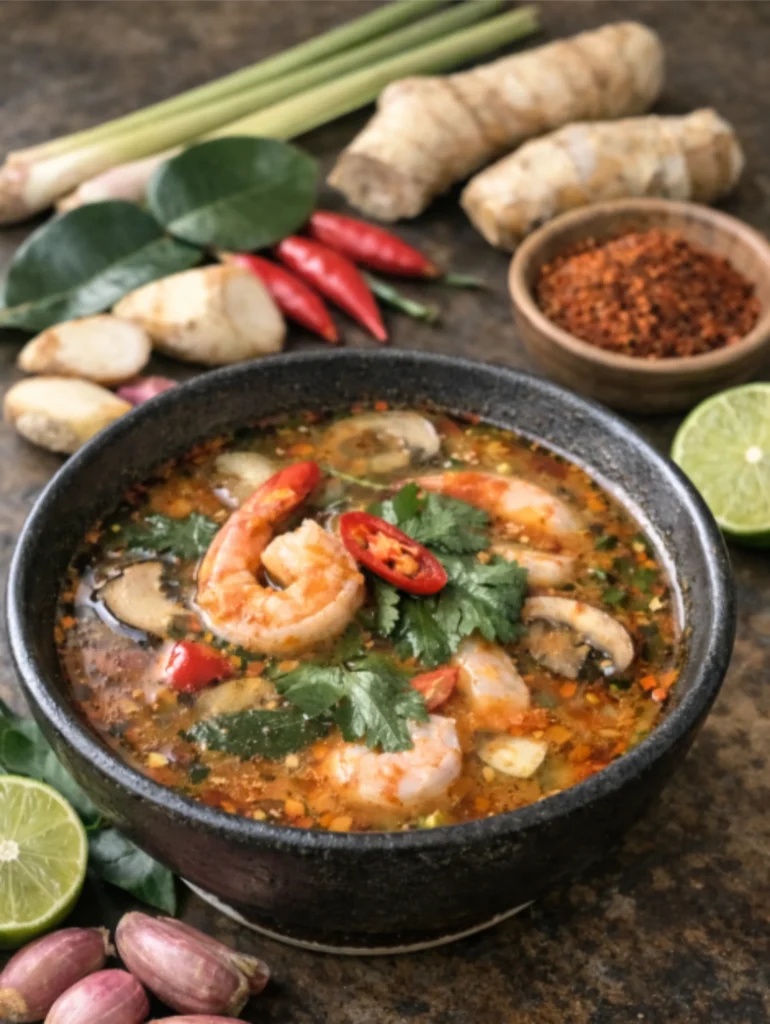
This is where everything connects.
Scallions snipped indoors in winter finish a bowl of ginger congee or fried rice. Fresh basil and mint transform pad krapow, larb, and spring rolls. Lemongrass, ginger, and galangal come together in tom yum soup, where their flavors are bold, clean, and unmistakable. Curry leaves build the foundation of South Indian dals, while homegrown roots elevate tom kha and coconut-based curries.
Cooking with fresh herbs isn’t just about flavor—it’s about nourishment. These plants are rich in antioxidants and natural anti-inflammatory compounds, supporting digestion and overall wellness while letting you cook boldly without relying on excess salt or fat.
When herbs go straight from the garden into the kitchen, food tastes alive. And that connection—between soil, plant, and plate—is what makes growing your own ingredients so deeply satisfying.